
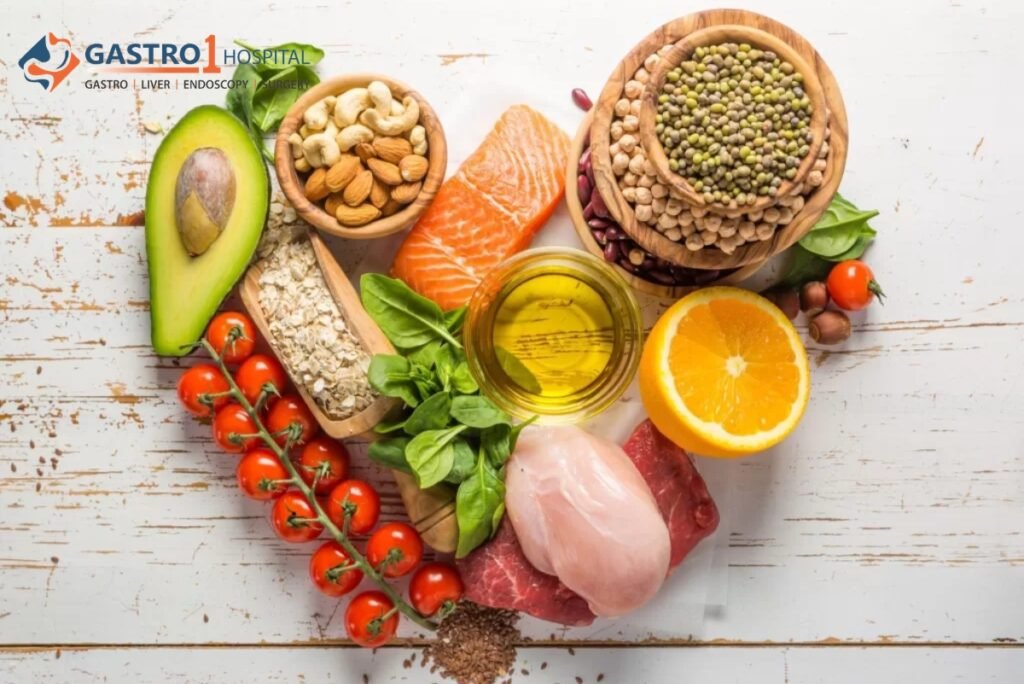
Healthy Diet Tips During Colon Cancer Treatment for Better Recovery
Colon cancer treatment can be physically and emotionally challenging. Along with medical care, maintaining a healthy diet plays an important role in supporting the body during treatment and recovery. The right nutrition can help improve strength, reduce treatment-related side effects, support the immune system, and promote healing.
If you or a loved one is undergoing treatment, understanding which foods to eat and what to avoid can make a significant difference. Patients receiving the best colon cancer treatment in Ahmedabad are often advised to follow a balanced diet that meets their individual nutritional needs while supporting overall health.
Why Nutrition Matters During Colon Cancer Treatment
Colon cancer treatments such as surgery, chemotherapy, radiation therapy, or targeted therapies can affect digestion, appetite, and nutrient absorption. Many patients experience symptoms such as fatigue, nausea, diarrhea, constipation, or weight loss.
A healthy diet can help:
- Maintain energy levels
- Support immune function
- Prevent unwanted weight loss
- Promote faster healing after surgery
- Improve treatment tolerance
- Reduce the risk of nutritional deficiencies
Good nutrition is an important part of a comprehensive colon cancer care plan.
Focus on Protein-Rich Foods
Protein helps repair tissues, maintain muscle mass, and support recovery. During treatment, the body’s protein requirements may increase.
Good sources of protein include:
- Eggs
- Fish
- Skinless chicken
- Lentils and beans
- Tofu
- Paneer
- Greek yogurt
- Milk and dairy products
Including a protein source in every meal can help the body recover more effectively.
Eat Plenty of Fruits and Vegetables
Fresh fruits and vegetables provide essential vitamins, minerals, antioxidants, and fiber that support overall health.
Some nutritious options include:
- Bananas
- Apples
- Papaya
- Berries
- Carrots
- Spinach
- Pumpkin
- Sweet potatoes
- Broccoli
If treatment causes digestive discomfort, cooked vegetables may be easier to tolerate than raw ones.
Stay Well Hydrated
Proper hydration is often overlooked but is extremely important during colon cancer treatment. Dehydration can worsen fatigue and make side effects more difficult to manage.
Try to drink:
- Water
- Coconut water
- Clear soups
- Herbal teas
- Fresh fruit-infused water
Patients experiencing diarrhea should pay extra attention to fluid intake to replace lost fluids and electrolytes.
Choose Whole Grains When Possible
Whole grains provide energy and important nutrients. They can also help support digestive health.
Healthy options include:
- Oats
- Brown rice
- Whole wheat bread
- Quinoa
- Millet
However, patients experiencing diarrhea or digestive irritation may temporarily benefit from low-fiber foods based on their doctor’s recommendations.
Eat Small and Frequent Meals
Large meals can sometimes feel overwhelming during treatment. Eating smaller meals throughout the day may help reduce nausea and improve calorie intake.
Helpful tips include:
- Eat every 2–3 hours
- Keep healthy snacks nearby
- Avoid skipping meals
- Choose easy-to-digest foods when appetite is low
Even small portions can provide valuable nutrition when consumed regularly.
Foods That May Help Manage Treatment Side Effects
Different side effects may require different dietary adjustments.
For Nausea
- Plain crackers
- Toast
- Rice
- Ginger tea
- Bananas
For Constipation
- Fiber-rich fruits
- Vegetables
- Plenty of fluids
- Whole grains
For Diarrhea
- Bananas
- White rice
- Applesauce
- Toast
- Low-fat foods
Always consult your healthcare team before making major dietary changes.
Limit Processed and Unhealthy Foods
Certain foods may increase digestive discomfort and provide little nutritional value.
Try to limit:
- Processed meats
- Fried foods
- Sugary snacks
- Soft drinks
- Excessive alcohol
- Highly processed packaged foods
Replacing these foods with fresh and nutrient-rich alternatives can support overall recovery.
Listen to Your Body
Every patient responds differently to colon cancer treatment. Foods that work well for one person may not be suitable for another.
Keeping a food diary can help identify foods that:
- Improve energy
- Cause discomfort
- Trigger digestive symptoms
- Support appetite
A personalized approach often provides the best results.
The Importance of Professional Nutritional Guidance
Cancer patients have unique nutritional requirements. Working with experienced healthcare professionals can help ensure proper nutrition throughout treatment and recovery.
At Gastro1 Hospital, patients receive comprehensive care that focuses not only on medical treatment but also on lifestyle and nutritional support. A well-planned diet combined with expert medical guidance can help improve quality of life and support better recovery outcomes.
Supporting Recovery Through Healthy Food Choices
A nutritious diet is a valuable part of the healing process during colon cancer treatment. Choosing protein-rich foods, staying hydrated, eating plenty of fruits and vegetables, and avoiding highly processed foods can help the body stay stronger throughout treatment.
For individuals seeking the best colon cancer treatment in Ahmedabad, combining advanced medical care with healthy dietary habits can contribute significantly to overall well-being and recovery. Following expert advice and making informed food choices can help patients feel more confident and supported on their journey toward better health.