
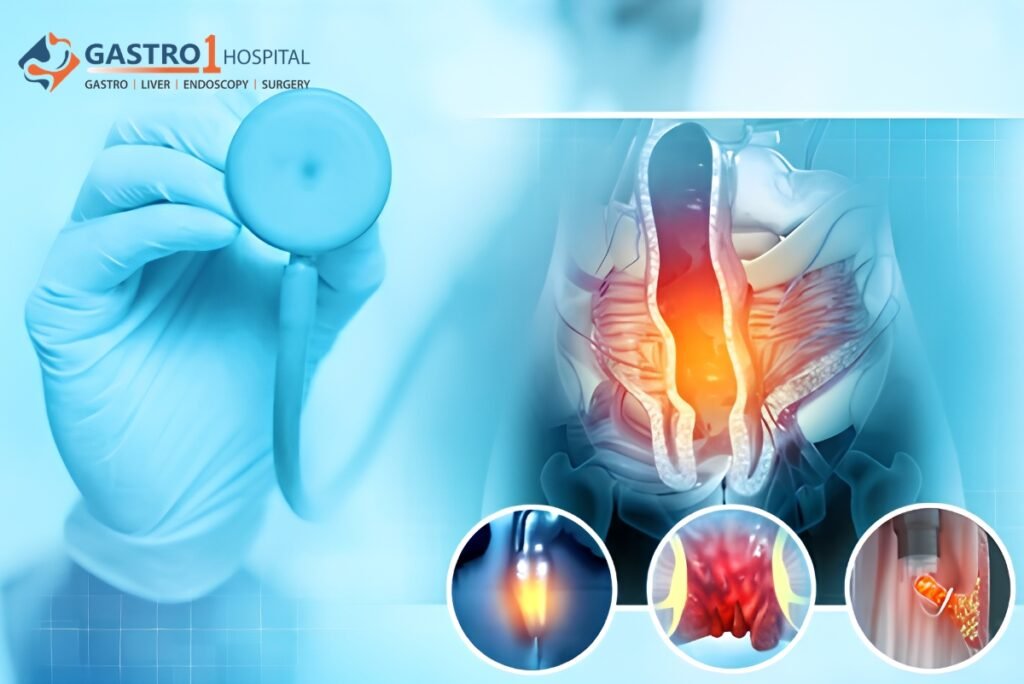
Non-Surgical Vs Surgical Piles Treatment: What A Piles Specialist Recommends
Piles is one of the most common anorectal problems seen in clinical practice today. It usually starts with mild symptoms like itching, discomfort, or occasional bleeding during bowel movements. Since these symptoms may appear minor in the beginning, many people delay medical consultation.
However, untreated piles can gradually worsen and interfere with everyday life, making simple activities uncomfortable. That is why early evaluation by a best piles doctor in Ahmedabad is important for right diagnosis and timely treatment.
Understanding Piles and Its Progression
Piles (hemorrhoids) are swollen blood vessels in the rectal area, caused by increased pressure. Piles are influenced by factors such as constipation, low-fiber diet, prolonged sitting, obesity, and sedentary lifestyle.
The condition usually progresses through several stages:
- Mild irritation and discomfort
- Bleeding during bowel movements
- Pain and swelling
- Severe prolapse or complications
Each stage requires a different approach to piles treatment, which is why proper diagnosis is essential.
Non-Surgical Piles Treatment
In early and moderate stages, non-surgical management is usually the first line of treatment. The main goal is to control symptoms and improve bowel habits.
Common non-surgical approaches include:
- High-fiber diet to ease constipation
- Adequate water intake for better digestion
- Medications to reduce pain, swelling, and bleeding
- Local ointments for symptom relief
- Lifestyle changes such as avoiding straining and long sitting hours
With early medical guidance from a Best Gastroenterologist, many patients experience significant improvement without requiring any surgical intervention. Non-surgical care focuses on symptom control and preventing disease progression.
Surgical Piles Treatment
When piles become advanced, recurrent, or unresponsive to conservative management, surgical intervention may be required. A piles surgery doctor evaluates the severity before recommending the procedure.
Common surgical options include:
- Conventional hemorrhoidectomy
- Stapler surgery
- Laser surgery (minimally invasive option)
Among these, laser-based procedures are often preferred due to reduced pain, less bleeding, and quicker recovery compared to traditional surgery.
Surgery is recommended only if deemed clinically necessary after thorough assessment.
How Doctors Decide the Correct Treatment
Treatment choice is not solely based on symptoms. A full clinical review is conducted before determining the management plan.
Doctors consider:
- Stage and severity of piles
- Frequency of bleeding or pain
- Patient lifestyle and bowel habits
- Medical history and related conditions
At a trusted gastroenterology hospital in Ahmedabad such as Gastro1 Hospital, doctors like Dr Ruchir Patel and Dr Abhinav Jain evaluate each case thoroughly. The emphasis is on evidence-based assessment and choosing the most suitable treatment to get relief for the long term.
Importance of Early Consultation
One of the most common mistakes made by patients is to delay treatment due to embarrassment or fear. Early symptoms such as mild bleeding or itching are often ignored.
However, early consultation with a Best Piles Doctor in Ahmedabad can:
- Prevent disease progression
- Reduce the need for surgery
- Improve treatment outcomes
- Support faster recovery
Early diagnosis always leads to simpler and more effective management.
Final Thoughts
Both non-surgical and surgical options are effective for piles when used at the right stage. The key factor is timely diagnosis and appropriate medical guidance.
The best treatment for piles today is the one that will keep the patient comfortable, heal him faster, and provide him long-term relief. In many cases, piles in the initial stages can be treated without surgery, while advanced cases require surgical intervention for complete recovery.
Consultation with experienced specialists like Dr Ruchir Patel and Dr Abhinav Jain at Gastro1 Hospital will help you get an accurate diagnosis, proper evaluation of the case and a structured treatment plan based on medical need.