
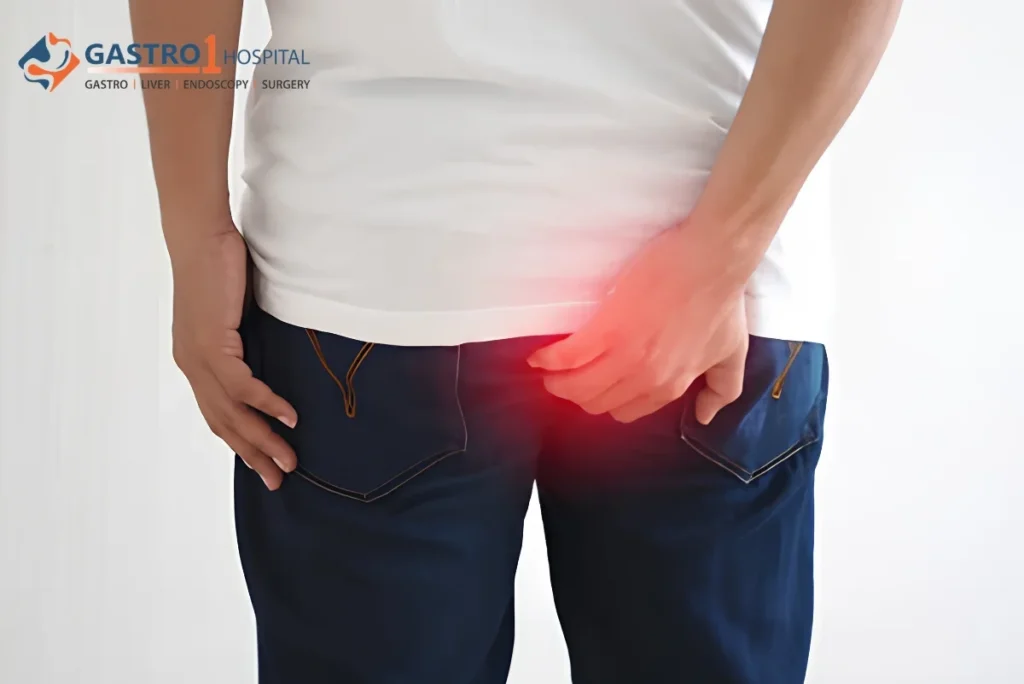
Different Types of Piles and How to Identify Them
Piles, also known as hemorrhoids, are a common health problem that many people experience but often feel shy to talk about. They are swollen blood vessels in or around the rectum and anus that can cause pain, itching, bleeding, and discomfort during daily activities. Understanding the different types of piles can help in early identification and timely treatment. If symptoms persist, consulting a best piles doctor in Ahmedabad can make a big difference in recovery and long-term relief.
What Are Piles?
Piles develop when there is increased pressure in the lower rectum due to factors like chronic constipation, sitting for long hours, low-fiber diet, obesity, or pregnancy. While piles are not usually life-threatening, they can affect quality of life if ignored.
Types of Piles You Should Know
1.Internal Piles:
Internal piles are those that are found within the walls of the rectum. They are generally hard to see since they are not easily visible and also tend not to hurt much.
How to identify:
- Painless bleeding during bowel movements
- Passing bright red blood through toilet paper or stool
- Feeling of incomplete bowel evacuation
In some cases, internal piles may push out of the anus, causing discomfort.
2.External Piles
External piles occur under the skin surrounding the anus. They are easy to spot and tend to be more painful than internal piles.
How to identify:
- Pain or discomfort while sitting
- Swelling or lump around the anus
- Itching or irritation
- Bleeding in some cases
External piles can become very uncomfortable if not treated early.
3.Thrombosed Piles:
These occur when a blood clot forms inside an external hemorrhoid. This condition can cause sudden and severe pain.
How to identify:
- Hard, painful lump near the anus
- Swelling and inflammation
- Sharp pain while sitting or walking
Thrombosed piles may require medical attention for quick relief.
4.Prolapsed Piles:
Prolapsed piles occur when internal piles slip outside the anus. They may go back inside on their own or need manual pushing.
How to identify:
- Bulging mass outside the anus
- Discomfort or pain during bowel movements
- Mucus discharge or irritation
- Feeling of heaviness in the rectal area
When Should You See a Doctor?
It is essential to pay attention to these red flags if you experience continuous heavy bleeding, large mass or significant pain. This kind of problem can lead to complications if it is not properly and diagnosed in the early stage. The reason many people look for piles specialist in Ahmedabad, occurs when the piles start to interfere with the daily routine. At this moment in time, you can consult with the doctors to see whether you need any change in the life style or be prescribed medicine, surgery and minimally invasive treatment.
Expert Care for Piles Treatment
For proper diagnosis and treatment, one must visit an expert doctor such as Dr. Ruchir Patel and Dr. Abhinav Jain from Gastro 1 Hospital, who treat patients suffering from piles, among others. The treatment approach is geared towards determining the cause of the condition and coming up with an individualized treatment plan for every patient.
Piles may easily be treated using modern medicine procedures, without undergoing surgery.
It may be embarrassing for people to discuss piles, but knowledge regarding different types of piles and their symptoms is vital for better well-being. It does not matter if you are suffering from any kind of piles such as internal, external, thrombosed, or prolapsed, because early detection is vital to avoid future complications.
Seeking timely help from an experienced best piles doctor in Ahmedabad ensures proper diagnosis and effective treatment. With expert guidance, lifestyle improvements, and the right medical care at trusted centers like Gastro 1 Hospital, patients can achieve long-lasting relief and return to a comfortable, healthy life.